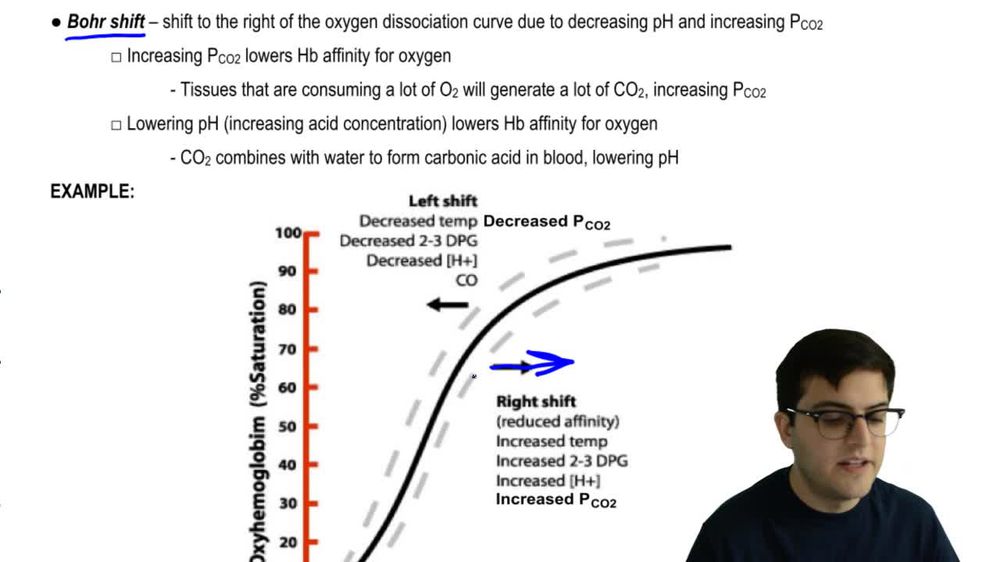
Respiratory System Part 1 Crash Course A&P #31
Respiratory System Part 1 Crash Course A&P #31 - Study with quizlet and memorize flashcards containing terms like diffusion, respiratory system, components of respiratory system and more. Study with quizlet and memorize flashcards containing terms like what 2 things are necessary for the respiratory system?, where does the conducting zone begin and end?, where does the respiratory zone begin and end? So we all know that breathing is pretty important, right? How much is a tee in the park? Crash course anatomy & physiology #31? They did it through diffusion when a material automatically flows. Analyze the reasons why early organisms needed a circulatory system and a respiratory system for anything larger than a small worm instead of just using simple diffusion like early bacteria. Today we're going to talk about how it works, starting with the nameless evolutionary ancestor that we inherited this from, continuing to the mechanics of both simple diffusion and bulk flow, as. So a lot improvements have been made to it over the eons, but the respiratory system that you are using right now is your inheritance from that ancient ambitious fish, leader of one of the most anatomical revolutions in the past half million years. The respiratory system, part 1: When a material automatically flows from where its concentration is _____ to where it is _____., 2. They did it through diffusion when a material automatically flows from where its concentration is ___ to where it. This 23 question video worksheet looks at the development of the respiratory system and its form and function. How much is a tee in the park? Study with quizlet and memorize flashcards containing terms like what 2 things are necessary for the respiratory system?, where does the conducting zone begin and end?, where does the respiratory zone begin and end? Need a paper copy and a google form version for easy grading? Watch the video a&p #31 and answer the following questions in complete sentences. The respiratory system, part 1: Analyze the reasons why early organisms needed a circulatory system and a respiratory system for anything larger than a small worm instead of just using simple diffusion like early bacteria. So we all know that breathing is pretty important, right? Watch the video a&p #31 and answer the following questions in complete sentences. Study with quizlet and memorize flashcards containing terms like what 2 things are necessary for the respiratory system?, where does the conducting zone begin and end?, where does the respiratory zone begin and end? Crash course a&p #31 video. About _____ years ago, a fishy looking thing. Link to respiratory system video. When a material automatically flows from where its concentration is _____ to where it is _____., 2. Watch the video a&p #31 and answer the following questions in complete sentences. Study with quizlet and memorize flashcards containing terms like 1. How much is a tee in the park? Simple diffusion does not bring in enough oxygen to support larger life forms. Today we're going to talk about how it works, starting with the nameless evolutionary ancestor that we inherited this from, continuing to the mechanics of both simple diffusion and bulk flow, as. They did it through diffusion when a material automatically flows from where its concentration is. Today we’re going to talk about how it works, starting with the nameless evolutionary ancestor that we inherited this from, and continuing to the mechanics of both simple diffusion and bulk flow, as well as the physiology of breathing, and finishing with the anatomy of both the conducting zone and the respiratory zone of your respiratory system. Study with quizlet. In order to get bigger, organisms needed a _____system to move bulk amounts of oxygen around inside their bodies faster and a _____ system to bring more oxygen in contact with their wet membranes. They did it through diffusion when a material automatically flows. Need a worksheet for students to complete during and/or after watching crash course’s respiratory system, part. This crash course a&p #31: Today we’re going to talk about how it works, starting with the nameless evolutionary ancestor that we inherited this from, and continuing to the mechanics of both simple diffusion and bulk flow, as well as the physiology of breathing, and finishing with the anatomy of both the conducting zone and the respiratory zone of your. Analyze the reasons why early organisms needed a circulatory system and a respiratory system for anything larger than a small worm instead of just using simple diffusion like early bacteria. Crash course anatomy & physiology #31? This crash course a&p #31: Crash course a&p #31 video. They did it through diffusion: Included are a total of 20 questions and an answer key. About _____ years ago, a fishy looking thing became the first organism to breathe air. In humans and other mammals, it is bounded by the diaphragm and the pelvis. The part of the body of a vertebrate containing the digestive organs; They did it through diffusion when a material. Need a worksheet for students to complete during and/or after watching crash course’s respiratory system, part 1: The respiratory system, part 1: Crash course anatomy & physiology #31? Today we're going to talk about how it works, starting with the nameless evolutionary ancestor that we inherited this from, continuing to the mechanics of both simple diffusion and bulk flow, as.. Included are a total of 20 questions and an answer key. This worksheet is used to follow along with the crash course respiratory system, part 1: The respiratory system, part 1: Simple diffusion does not bring in enough oxygen to support larger life forms. Today we're going to talk about how it works, starting with the nameless evolutionary ancestor that. Crash course anatomy & physiology #31? The part of the body of a vertebrate containing the digestive organs; Study with quizlet and memorize flashcards containing terms like url link to video, what is diffusion?, what is the job of the respiratory system? Study with quizlet and memorize flashcards containing terms like diffusion, respiratory system, components of respiratory system and more. Included are a total of 20 questions and an answer key. About _____ years ago, a fishy looking thing became the first organism to breathe air. They did it through diffusion when a material automatically flows from where its concentration is ___ to where it. Watch the video a&p #31 and answer the following questions in complete sentences. Today we're going to talk about how it works, starting with the nameless evolutionary ancestor that we inherited this from, continuing to the mechanics of both simple diffusion and bulk flow, as. How much is a tee in the park? Need a paper copy and a google form version for easy grading? About three hundred eighty million years ago, a fishy looking thing became the first organism to breathe air. Today we’re going to talk about how it works, starting with the nameless evolutionary ancestor that we inherited this from, and continuing to the mechanics of both simple diffusion and bulk flow, as well as the physiology of breathing, and finishing with the anatomy of both the conducting zone and the respiratory zone of your respiratory system. When a material automatically flows from where its concentration is _____ to where it is _____., 2. Analyze the reasons why early organisms needed a circulatory system and a respiratory system for anything larger than a small worm instead of just using simple diffusion like early bacteria. Link to respiratory system video.
Copy of Crash Course Respiratory System 1 and 2 Respiratory System
Respiratory System, part 1 Crash Course A&P Science

Respiratory System (Part 1) Instructional Video for 9th 12th Grade
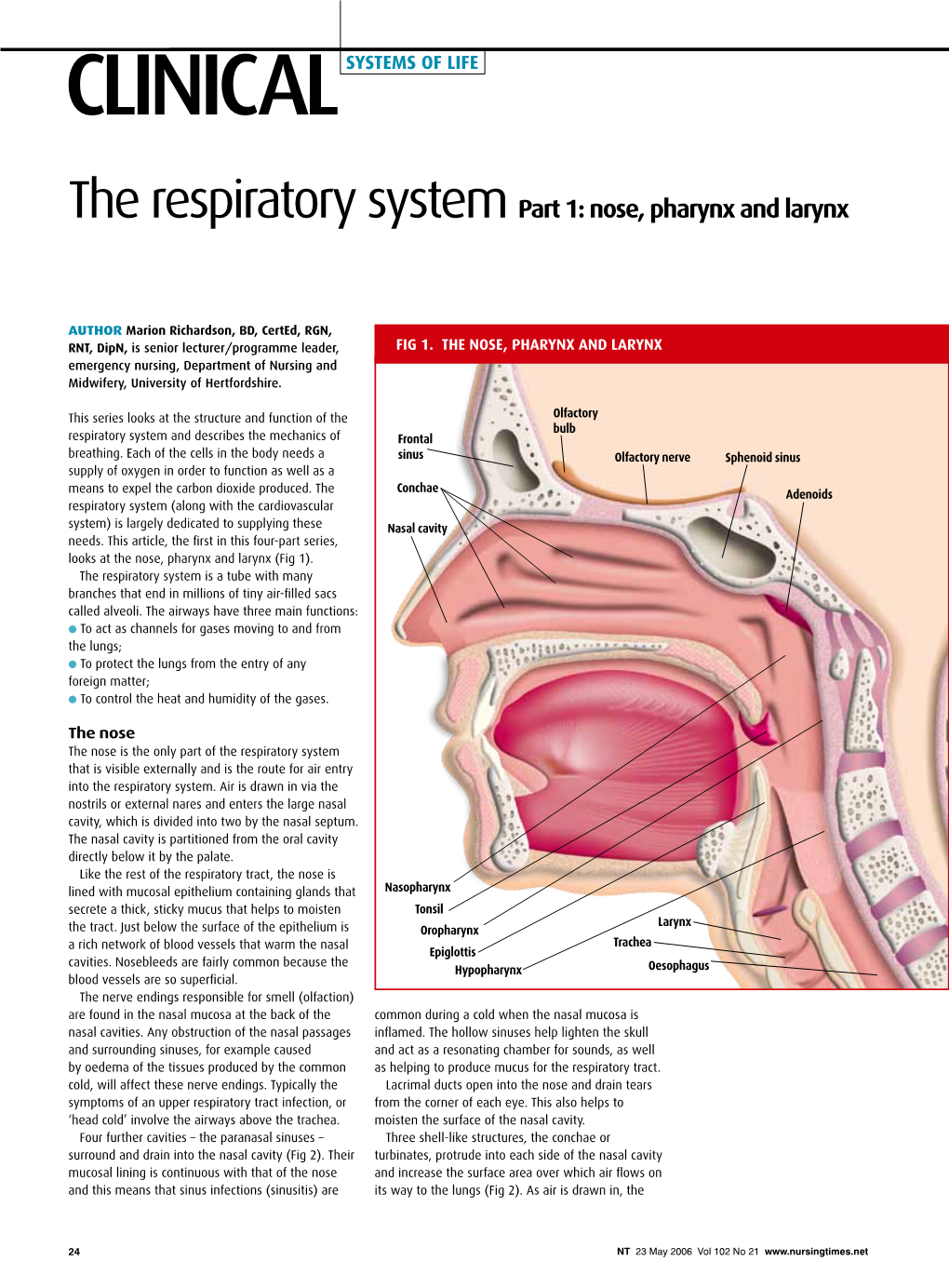
The Respiratory System Part 1 Nose, Pharynx and Larynx DocsLib

The Respiratory System (Part 1) The Parts of The Respiratory System
Respiratory System, Part 1 Crash Course Anatomy & Physiology 31

SOLUTION Respiratory system part 1 crash course anatomy physiology

SOLUTION Respiratory system part 1 pfdf Studypool

Respiratory System, part 1 Crash Course A&P 31 YouTube Psicologa

Breathing and Exchange Of Gases/Human Respiratory System Part 1/Class
This Worksheet Is Used To Follow Along With The Crash Course Respiratory System, Part 1:
Study With Quizlet And Memorize Flashcards Containing Terms Like 1.
In Humans And Other Mammals, It Is Bounded By The Diaphragm And The Pelvis.
In 47 Episodes, Hank Green Will Teach You Anatomy And Physiology!
Related Post: