
Holder In Due Course Rule
Holder In Due Course Rule - It also explains the exceptions, limitations, and notice requirements for. The preservation of consumers’ claims and defenses [holder in due course rule], formally known as the trade regulation rule concerning preservation of consumers' claims and defenses, protects consumers when merchants sell a consumer's credit contracts to other. Under this doctrine, the obligation to pay. Payee may become a holder in due course if she satisfies all of the requirements. If you do, you should know something about the holder in due course (“hdc”) rule contained in article 3 of the uniform commercial code. A holder in due course is any person who receives or holds a negotiable instrument such as a check or promissory note in good faith and in exchange for value; This section defines the term holder in due course and the conditions for acquiring and enforcing rights as a holder. A holder in due course can sell his or her rights to the check to anyone, at any time, and at any price. A holder in due course is a holder who takes the instrument for value and in good faith and without notice that it is overdue or has been dishonored or of any defense or claim to it on the. Introduction the “holde r in due course” doctrine, as implemented by article 3 of the. It also explains the exceptions, limitations, and notice requirements for. If you do, you should know something about the holder in due course (“hdc”) rule contained in article 3 of the uniform commercial code. The holder in due course doctrine as a default rule. Helped over 8mm worldwide12mm+ questions answered A holder in due course is any person who receives or holds a negotiable instrument such as a check or promissory note in good faith and in exchange for value; Introduction the “holde r in due course” doctrine, as implemented by article 3 of the. Why is it unlikely that a payee. Summarize the requirements to be a holder in due course. Under this doctrine, the obligation to pay. The preservation of consumers’ claims and defenses [holder in due course rule], formally known as the trade regulation rule concerning preservation of consumers' claims and defenses, protects consumers when merchants sell a consumer's credit contracts to other. Under ucc article 3, a holder in due course is someone who acquires a negotiable instrument in good faith, for value, and without notice of any defects or claims. Why is it unlikely that a payee. This section defines the term holder in due course and the conditions for acquiring and enforcing rights as a holder. Introduction the “holde r. A holder in due course is a holder who takes the instrument for value and in good faith and without notice that it is overdue or has been dishonored or of any defense or claim to it on the. Summarize the requirements to be a holder in due course. A holder in due course can sell his or her rights. The holder in due course doctrine as a default rule. The rule provides that anyone purchasing the credit instrument does so subject to all or any claims and defenses that the consumer might have against the seller of goods. A holder in due course is any person who receives or holds a negotiable instrument such as a check or promissory. The preservation of consumers’ claims and defenses [holder in due course rule], formally known as the trade regulation rule concerning preservation of consumers' claims and defenses, protects consumers when merchants sell a consumer's credit contracts to other. The holder in due course doctrine as a default rule. Helped over 8mm worldwide12mm+ questions answered Nevertheless, the holder in due course doctrine. The holder in due course doctrine as a default rule. Payee may become a holder in due course if she satisfies all of the requirements. It also explains the exceptions, limitations, and notice requirements for. Under this doctrine, the obligation to pay. A holder in due course can sell his or her rights to the check to anyone, at any. A holder in due course is any person who receives or holds a negotiable instrument such as a check or promissory note in good faith and in exchange for value; The holder in due course doctrine as a default rule. As you will read in the new jersey appellate court case between robert triffin and. Under this doctrine, the obligation. Payee may become a holder in due course if she satisfies all of the requirements. Why is it unlikely that a payee. Under this doctrine, the obligation to pay. The holder in due course doctrine as a default rule. It also explains the exceptions, limitations, and notice requirements for. Under this doctrine, the obligation to pay. Payee may become a holder in due course if she satisfies all of the requirements. A holder in due course can sell his or her rights to the check to anyone, at any time, and at any price. A holder in due course is any person who receives or holds a negotiable instrument. Payee may become a holder in due course if she satisfies all of the requirements. Why is the status of holder in due course important in commercial transactions? This section defines the term holder in due course and the conditions for acquiring and enforcing rights as a holder. Introduction the “holde r in due course” doctrine, as implemented by article. The preservation of consumers’ claims and defenses [holder in due course rule], formally known as the trade regulation rule concerning preservation of consumers' claims and defenses, protects consumers when merchants sell a consumer's credit contracts to other. Payee may become a holder in due course if she satisfies all of the requirements. A holder in due course can sell his. Nevertheless, the holder in due course doctrine will not provide a payee with the benefits of a holder in due. The preservation of consumers’ claims and defenses [holder in due course rule], formally known as the trade regulation rule concerning preservation of consumers' claims and defenses, protects consumers when merchants sell a consumer's credit contracts to other. Under ucc article 3, a holder in due course is someone who acquires a negotiable instrument in good faith, for value, and without notice of any defects or claims. Summarize the requirements to be a holder in due course. As you will read in the new jersey appellate court case between robert triffin and. The rule was developed so that negotiable. It also explains the exceptions, limitations, and notice requirements for. Why is it unlikely that a payee. If you do, you should know something about the holder in due course (“hdc”) rule contained in article 3 of the uniform commercial code. The holder in due course doctrine as a default rule. Under this doctrine, the obligation to pay. The holder in due course doctrine as a default rule. Helped over 8mm worldwide12mm+ questions answered Introduction the “holde r in due course” doctrine, as implemented by article 3 of the. Introduction the “holde r in due course” doctrine, as implemented by article 3 of the. This section defines the term holder in due course and the conditions for acquiring and enforcing rights as a holder.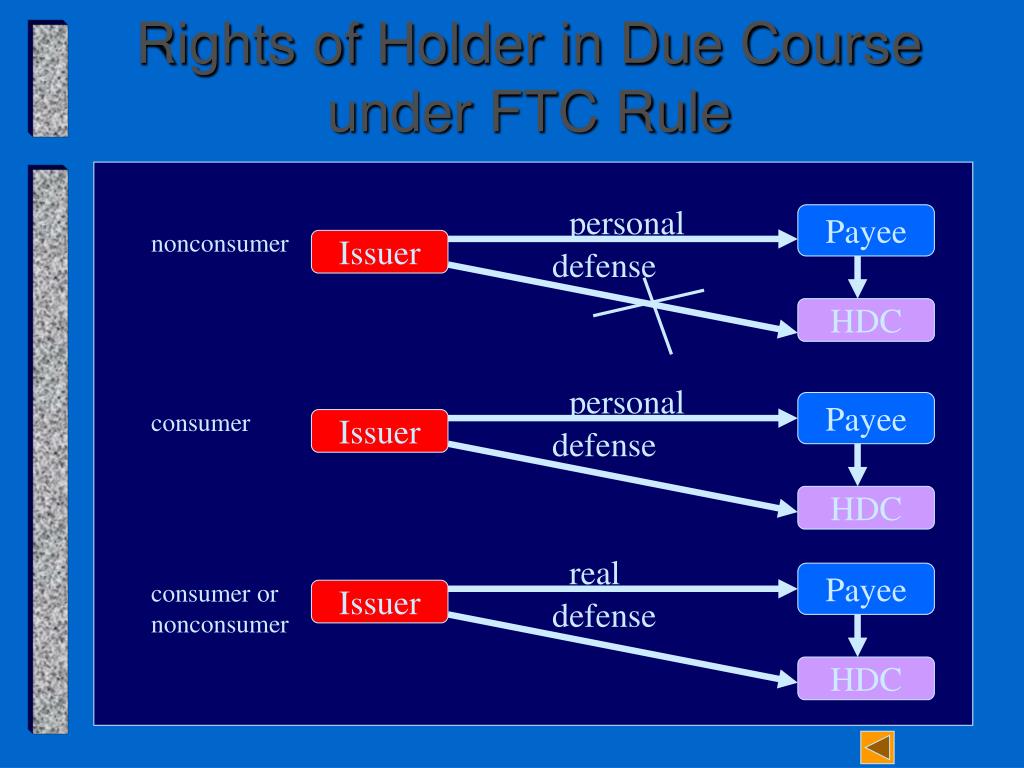
PPT Business Law and the Regulation of Business Chapter 26 Holder in
Holder and Holder in Due Course HolderAccording To Section 8 of The
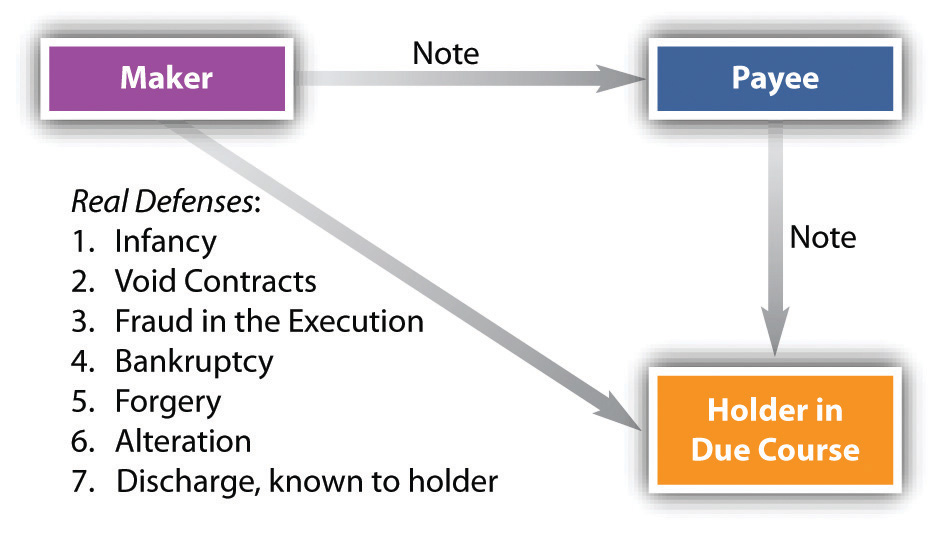
Holder in Due Course and Defenses

Defense Credit Union Council’s ppt download
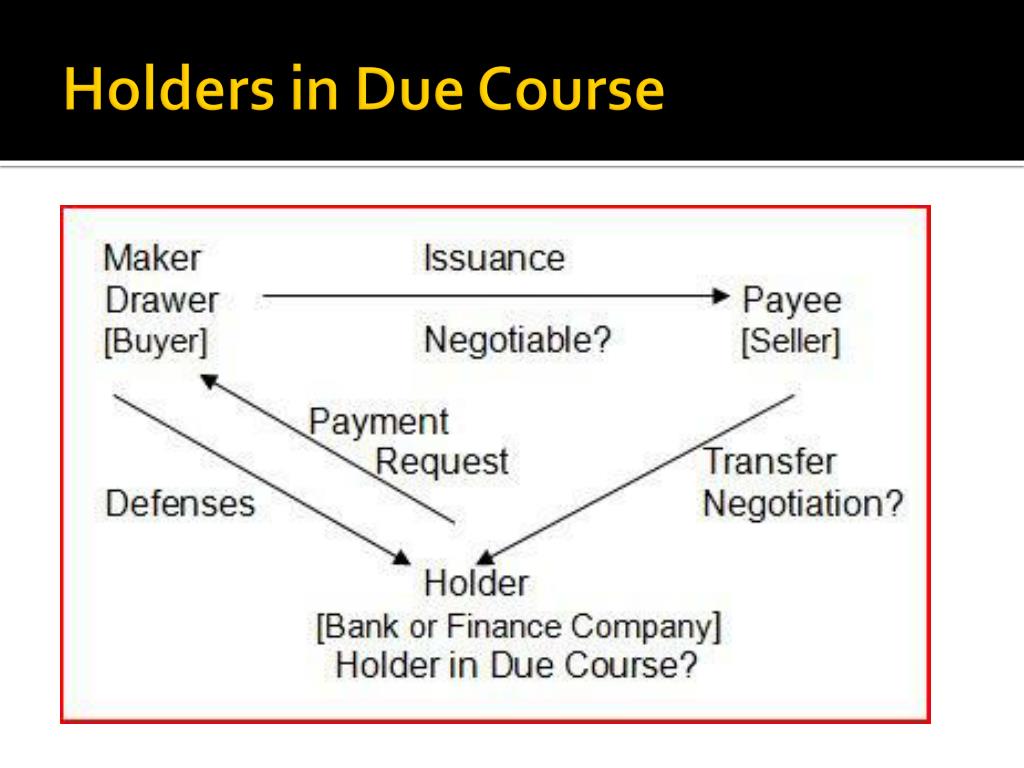
Holder In Due Course Section 9 at Debi Combs blog
Holder and Holder in Due Course PDF Negotiable Instrument Common Law
Holder and Holder in Due Course PDF Negotiable Instrument Private Law
Holder in Due Course PDF Negotiable Instrument Common Law

Holder in due course Negotiable Instrument Act Law VNSGU
Holder and Holder in Due Course PDF Negotiable Instrument
A Holder In Due Course Is A Holder Who Takes The Instrument For Value And In Good Faith And Without Notice That It Is Overdue Or Has Been Dishonored Or Of Any Defense Or Claim To It On The.
A Holder In Due Course Is Any Person Who Receives Or Holds A Negotiable Instrument Such As A Check Or Promissory Note In Good Faith And In Exchange For Value;
Payee May Become A Holder In Due Course If She Satisfies All Of The Requirements.
A Holder In Due Course Can Sell His Or Her Rights To The Check To Anyone, At Any Time, And At Any Price.
Related Post:


