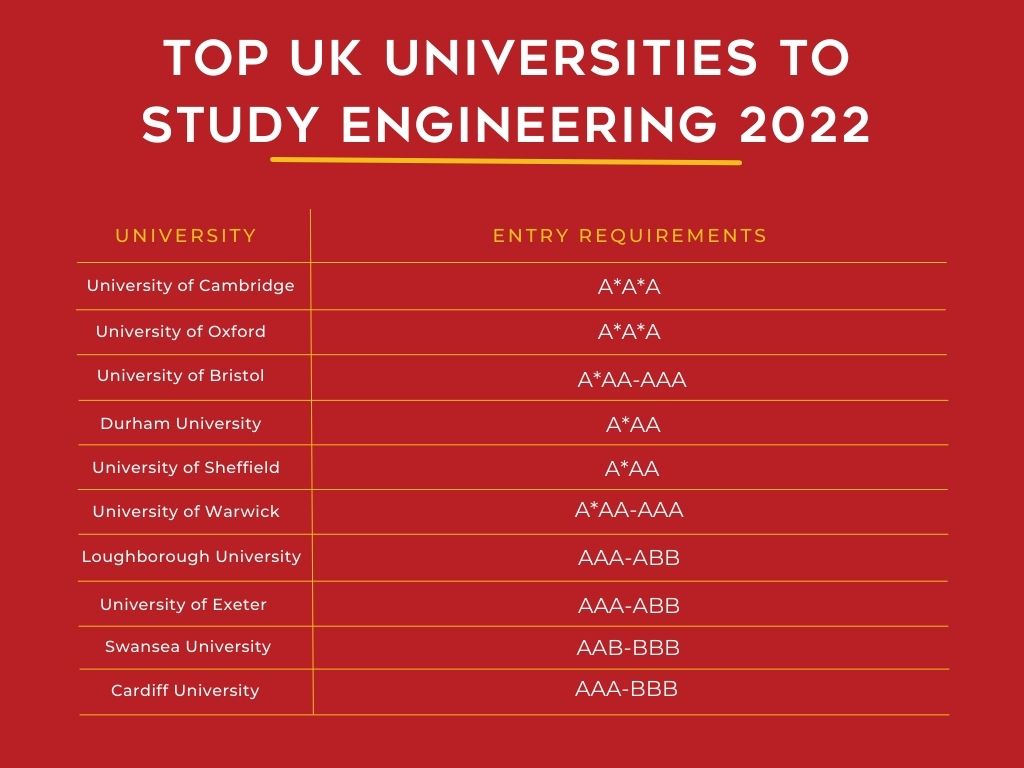
Courses Required For Engineering Degree
Courses Required For Engineering Degree - All undergraduate engineering degrees require courses in math, physics, chemistry or biology, engineering fundamentals, and analysis and design. We offer courses in engineering analysis, careers, group learning, and. Most of these courses are completed during the. To ensure you’re on the right path, meet with your academic advisor to review. Click here for a printable pdf of. In this interdisciplinary field, you must be careful to track the courses needed to meet the credit requirements. In this article, we explain the different engineering degrees, list eight types of engineer college courses and give some tips for choosing a degree program that's right for. If you're interested in pursuing a leadership role in technology, it may be worth pursuing an engineering. Information about the engineering undergraduate degree program at michigan technological university. *courses may be taken in the first or second. The white squares indicate other required and elective courses. Most of these courses are completed during the. In this article, we explain the different engineering degrees, list eight types of engineer college courses and give some tips for choosing a degree program that's right for. All undergraduate engineering degree programs require the following core engineering courses, covering basic engineering sciences. *courses may be taken in the first or second. Specific requirements for each major are given in the engineering undergraduate handbook and on the major websites. Click here for a printable pdf of. In this interdisciplinary field, you must be careful to track the courses needed to meet the credit requirements. Foundational courses include calculus, chemistry, physics, programming, english, and other requirements. The core curriculum for an undergraduate engineering program typically. Occasionally a course required for a degree may also satisfy a requirement of the university core curriculum.in. To be an engineer, you will need a bachelor’s degree in engineering or a relevant field, and some engineering positions may require you to obtain a master’s degree or even a. The colored squares indicate the mechanical engineering core curriculum. All undergraduate engineering. The colored squares indicate the mechanical engineering core curriculum. As a prospective engineer, you may be wondering what classes you’ll be taking in college to prepare you for a successful career in the field. We offer courses in engineering analysis, careers, group learning, and. To ensure you’re on the right path, meet with your academic advisor to review. Chemistry, engineering,. Most engineering degree programs have at least one core introductory course that all students will take, regardless of which discipline they plan to study. Depth in computer engineering is obtained by a series of required courses and technical electives in the final two years of the program. Information about the engineering undergraduate degree program at michigan technological university. Click here. *courses may be taken in the first or second. We offer courses in engineering analysis, careers, group learning, and. All undergraduate engineering degree programs require the following core engineering courses, covering basic engineering sciences. Foundational courses include calculus, chemistry, physics, programming, english, and other requirements. Depth in computer engineering is obtained by a series of required courses and technical electives. As a prospective engineer, you may be wondering what classes you’ll be taking in college to prepare you for a successful career in the field. The colored squares indicate the mechanical engineering core curriculum. Here's a list of the types of engineering courses available, what they cover, and how they can prepare you for your future. Chemical engineering majors should. If you're interested in pursuing a leadership role in technology, it may be worth pursuing an engineering. The answer is that it varies. Of all the majors you can choose in university, engineering has very specific requirements for entry. Basic engineering courses are not considered specialization courses. Students declare an engineering major at the end of the second semester. Most of these courses are completed during the. Chemistry, engineering, economics and ethics for engineers, engineering law, geology,. To receive the bachelor of science. Basic engineering courses are not considered specialization courses. Foundational courses include calculus, chemistry, physics, programming, english, and other requirements. Basic engineering courses are not considered specialization courses. The answer is that it varies. Specific requirements for each major are given in the engineering undergraduate handbook and on the major websites. All undergraduate engineering degrees require courses in math, physics, chemistry or biology, engineering fundamentals, and analysis and design. Chemistry, engineering, economics and ethics for engineers, engineering law, geology,. Call our advisorapply online todaychallenging courseslimited seats The colored squares indicate the mechanical engineering core curriculum. If you're interested in pursuing a leadership role in technology, it may be worth pursuing an engineering. In this interdisciplinary field, you must be careful to track the courses needed to meet the credit requirements. We offer courses in engineering analysis, careers, group learning,. Chemistry, engineering, economics and ethics for engineers, engineering law, geology,. Foundational courses include calculus, chemistry, physics, programming, english, and other requirements. The answer is that it varies. All undergraduate engineering degrees require courses in math, physics, chemistry or biology, engineering fundamentals, and analysis and design. The core curriculum for an undergraduate engineering program typically. Knowing which engineering courses to take helps you. To ensure you’re on the right path, meet with your academic advisor to review. Degree requirements and the university core curriculum. In this article, we explain the different engineering degrees, list eight types of engineer college courses and give some tips for choosing a degree program that's right for. Call our advisorapply online todaychallenging courseslimited seats A series of humanities and social science. Transfer information for students transferring from a program with an existing. Each university has its own admissions requirements, and each degree program will. Foundational courses include calculus, chemistry, physics, programming, english, and other requirements. Chemistry, engineering, economics and ethics for engineers, engineering law, geology,. To be an engineer, you will need a bachelor’s degree in engineering or a relevant field, and some engineering positions may require you to obtain a master’s degree or even a. If you're interested in pursuing a leadership role in technology, it may be worth pursuing an engineering. The university residency requirement must also be met. Of all the majors you can choose in university, engineering has very specific requirements for entry. Students declare an engineering major at the end of the second semester. Undergraduate programs in engineering typically last four to five years and lead to a bachelor’s degree.
Bachelor's Degree Mechanical Engineering
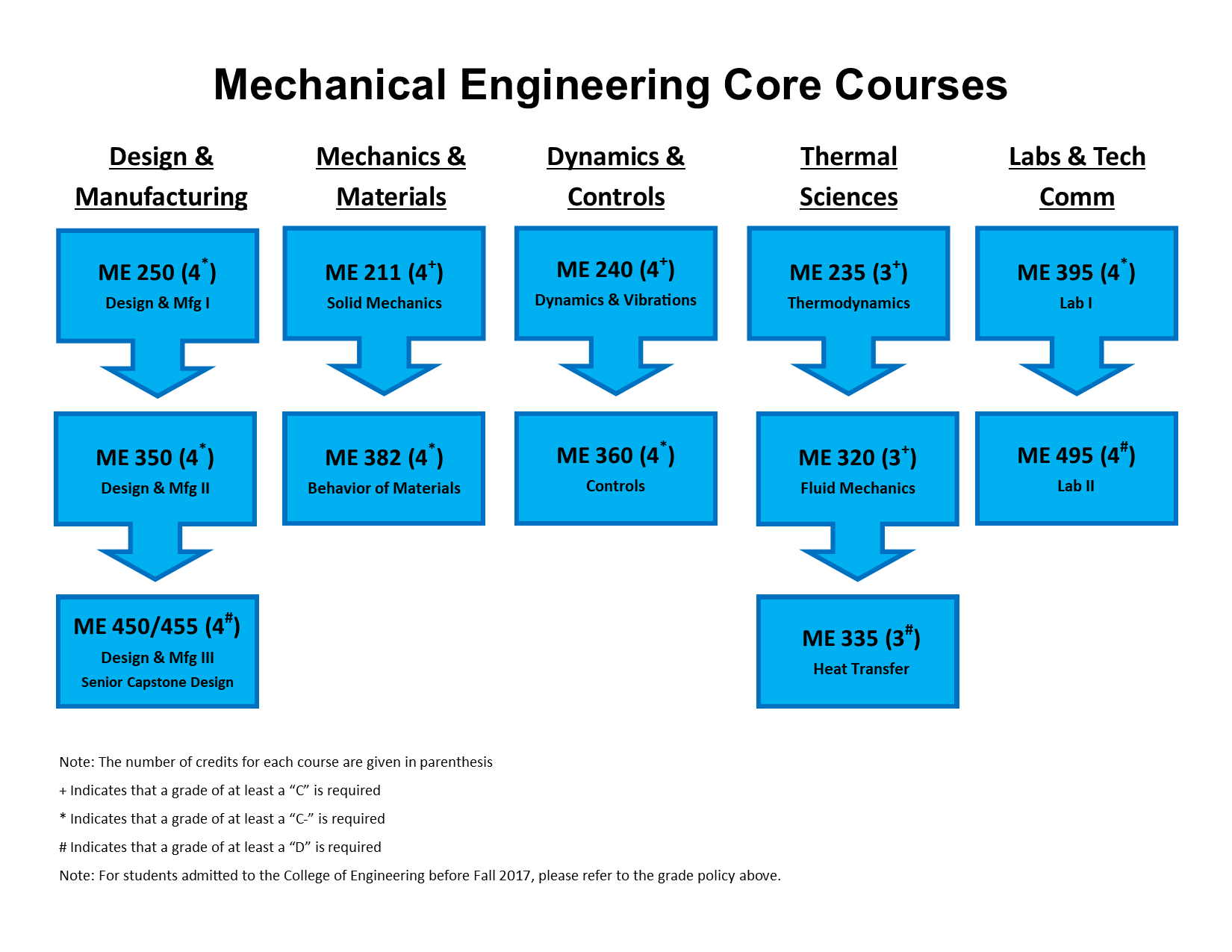
Bachelor’s Degree Mechanical Engineering
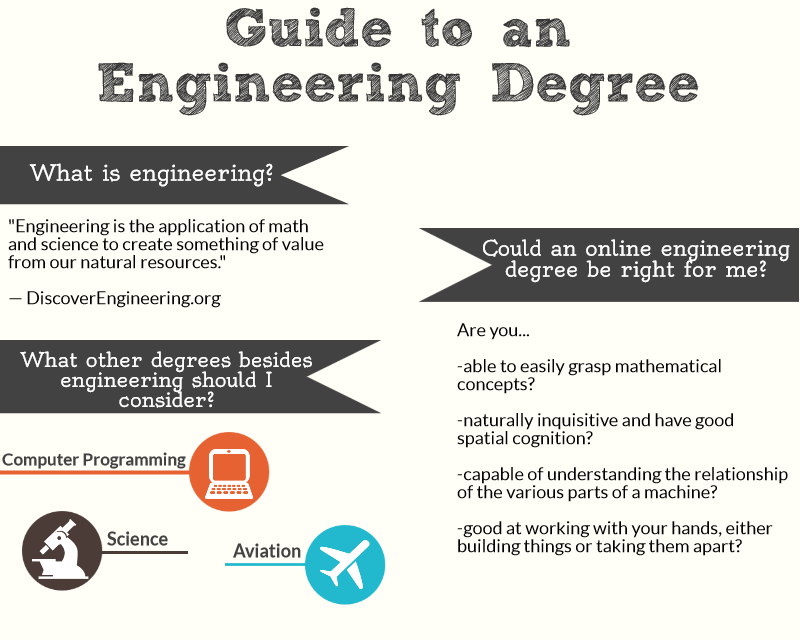
MiniGuide to an Engineering Degree eLearners
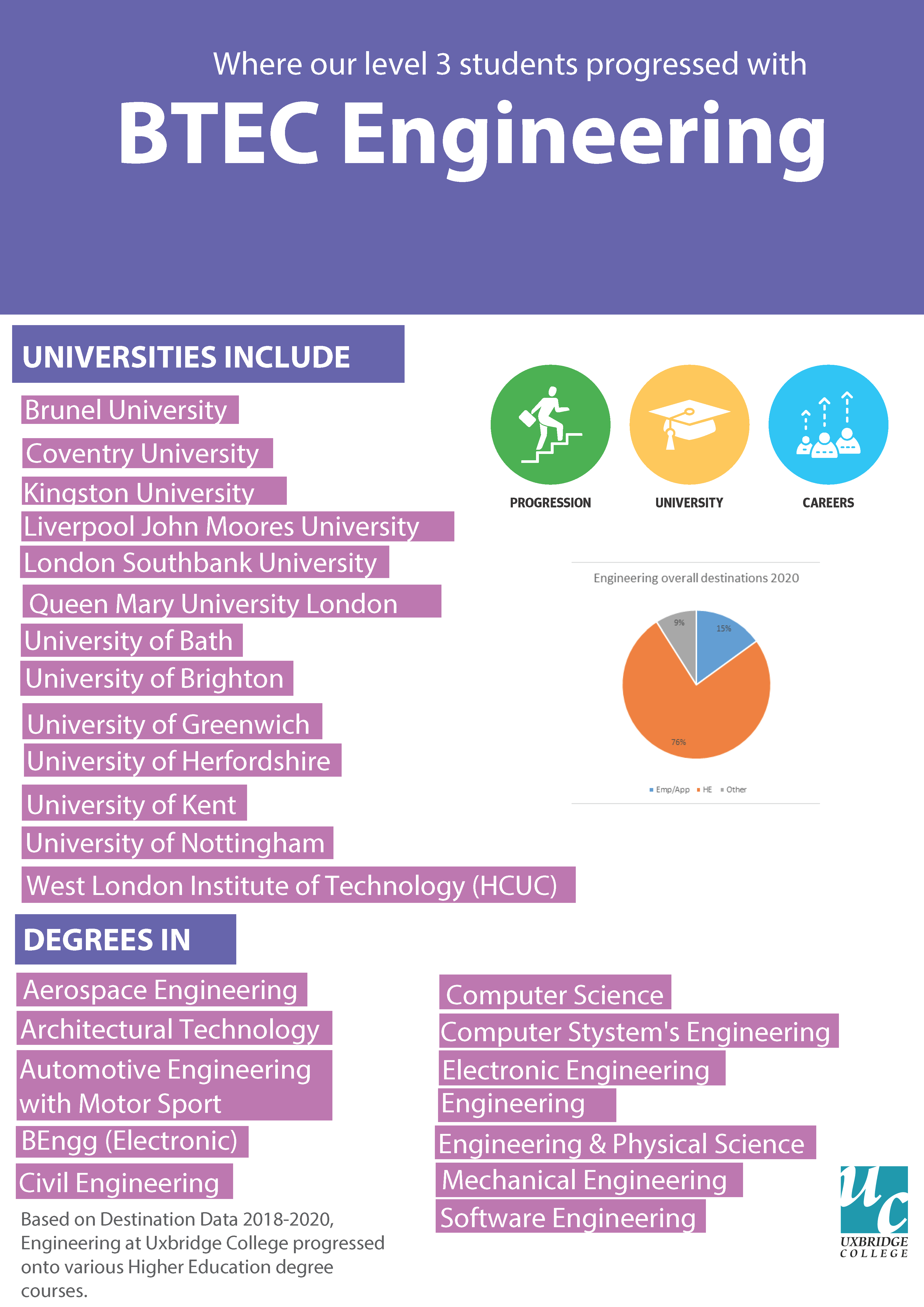
Engineering Uxbridge College

Top Engineering Masters Degrees & Graduate Programs 2021+
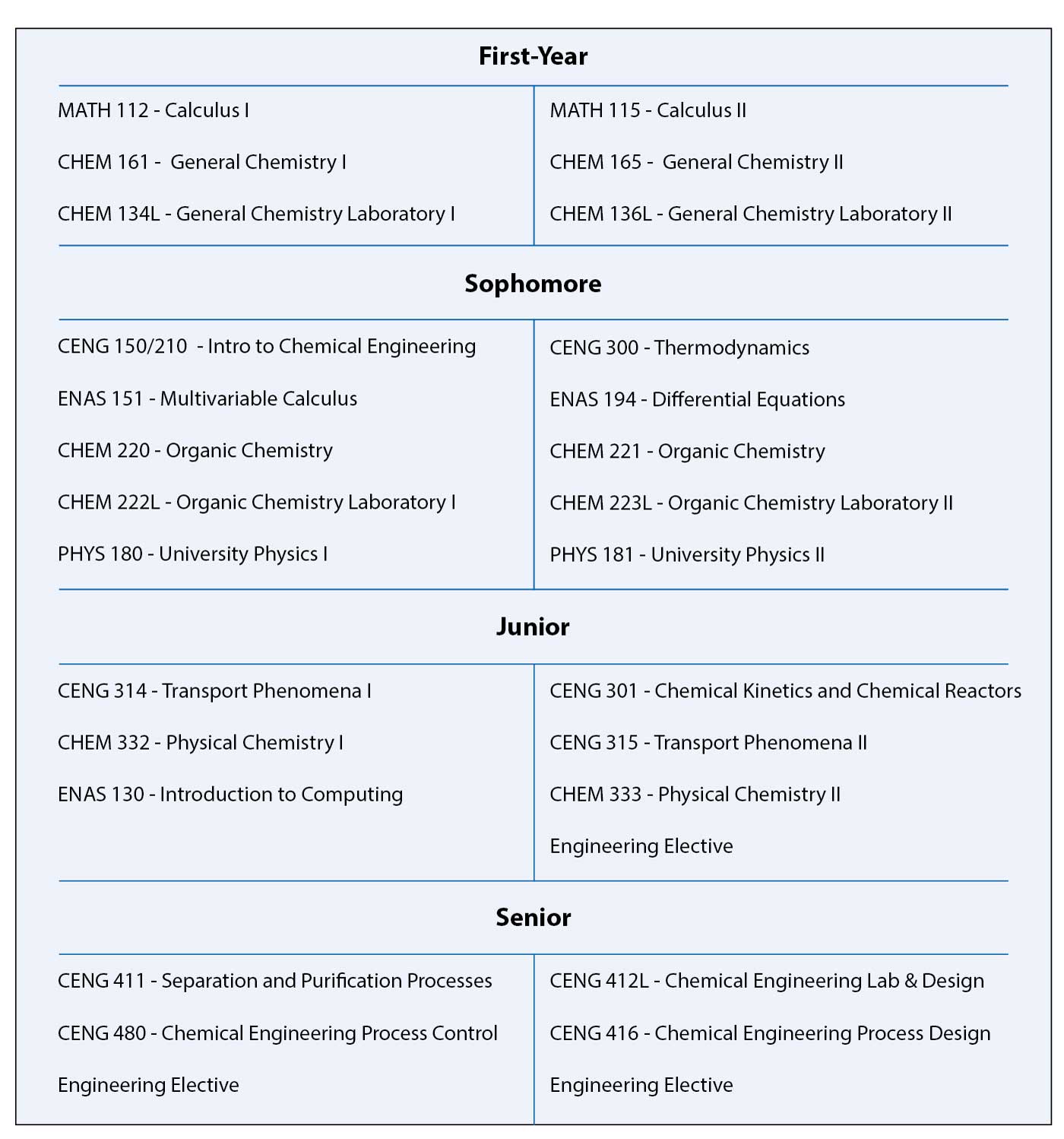
Chemical Engineering Undergraduate Curriculum Information Yale School
How to an Engineer The Ultimate Guide InvestIN InvestIN
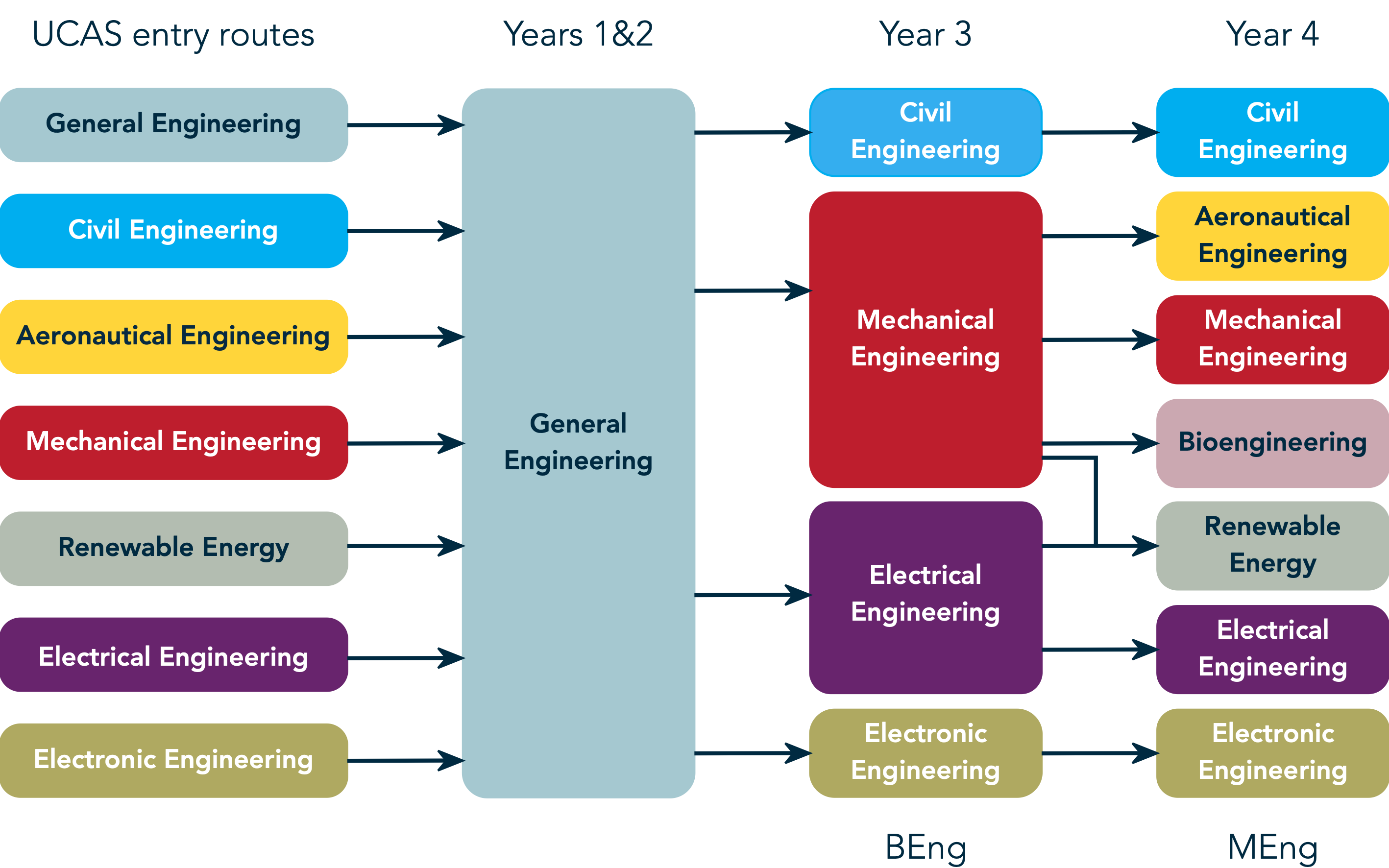
Courses Durham University

Aerospace Engineering Degree Curriculum Course Requirements

Lumpp
To Become An Engineer, Students Must Earn A Bachelor’s Degree From An Accredited Engineering Program.
As A Prospective Engineer, You May Be Wondering What Classes You’ll Be Taking In College To Prepare You For A Successful Career In The Field.
All Undergraduate Engineering Degrees Require Courses In Math, Physics, Chemistry Or Biology, Engineering Fundamentals, And Analysis And Design.
Admissions Requirements Vary From Program To Program But Often Include A Combination Of Work Experience, An Accredited Bachelor Of Science Degree In Engineering Or A.
Related Post: