
Ce Course Meaning
Ce Course Meaning - Ceu credits represent a commitment to ongoing learning and career progression. A ceu equates to ten hours spent participating in a continuing education program, while a cec is equivalent to one hour of educational experience. Continuing education can increase your knowledge and skills and may benefit your career. That occurs after a person has completed their formal education or initial training. One ceu equals 10 contact hours. But how do they benefit professionals? This helps those interested in learning and gaining skills or knowledge in a particular field. A continuing education unit (ceu), also known as continuing education credit (cec), is a vital measure in ongoing education programs, helping professionals maintain their licenses. While ce refers broadly to educational activities aimed at professional growth, ceus are a standardized measure of credit for those activities. Most state nursing boards list continuing education requirements in contact hours, not ceus. Continuing education refers to the ongoing process of learning and skill development. Continuous education (ce) is a structured approach to learning that goes beyond traditional academic settings. Ce courses are designed to help you stay updated on the latest practices, trends, and ethical standards in. It involves ongoing, voluntary, and purposeful activities aimed at expanding knowledge and skills, typically after completing formal education. A ceu equates to ten hours spent participating in a continuing education program, while a cec is equivalent to one hour of educational experience. A ce stands for continuing education, and it’s exactly what it sounds like—ongoing learning for mental health professionals after they’ve entered the workforce. These programs help foster a lifelong learning mentality, where education extends beyond the conventional education years. Continuing education (ce) refers to any type of learning activities and programs that occur after a person has completed their formal education, such as earning a degree or diploma. Many professions require an annual allotment of ceus to maintain certification. But how do they benefit professionals? But how do they benefit professionals? The term is used mainly in the united states and canada. A ceu equates to ten hours spent participating in a continuing education program, while a cec is equivalent to one hour of educational experience. Ce can be formal or informal, and it can be taken in a variety of settings, such as colleges,. A ce stands for continuing education, and it’s exactly what it sounds like—ongoing learning for mental health professionals after they’ve entered the workforce. Continuing education courses are offered by a university or college. It involves ongoing, voluntary, and purposeful activities aimed at expanding knowledge and skills, typically after completing formal education. Learn about why it is important and how it. And unlike any other ce provider, you can review and learn from course material for free — only pay when. Continuing education courses are designed to meet the educational needs of professionals and individuals seeking to enhance their skills, knowledge, and career prospects. It involves ongoing, voluntary, and purposeful activities aimed at expanding knowledge and skills, typically after completing formal. Continuing education can increase your knowledge and skills and may benefit your career. A continuing education unit, or ceu, is a way to measure hours of participation in an accredited program designed for professionals with certificates or licenses to practice various professions. Continuing education (ce) refers to any type of learning activities and programs that occur after a person has. Learn about why it is important and how it applies to your life! While the majority of states require continuing education for license renewal, a few do not. While ce refers broadly to educational activities aimed at professional growth, ceus are a standardized measure of credit for those activities. These courses are typically offered by colleges, universities, professional organizations, and. When fulfilling renewal requirements, always refer to contact hours unless your board states otherwise. Continuing education can increase your knowledge and skills and may benefit your career. Although some people use the terms interchangeably, you should know the slight distinctions between them. These courses are typically offered by colleges, universities, professional organizations, and online platforms. Continuing education courses are designed. Continuing education is popular in the united states of america and north american countries of canada. Continuous education (ce) is a structured approach to learning that goes beyond traditional academic settings. Continuing education credits (cecs) and continuing education units are both used to measure professional development in continuing education programs. A ce stands for continuing education, and it’s exactly what. It is a lifelong commitment to acquiring new knowledge and enhancing existing skills. But how do they benefit professionals? Learn about continuing education courses and discover why continuing education is important for professionals. Continuing education is when adults return to formal instruction to remain current in their career, develop serviceable skills, train for a new job, earn a degree, or. Learn about continuing education courses and discover why continuing education is important for professionals. These programs help foster a lifelong learning mentality, where education extends beyond the conventional education years. Continuing education and professional development are two terms that describe pathways for keeping up with industry regulations, exploring technical advances, and developing skills. Continuing education (ce) refers to any type. Learn about continuing education courses and discover why continuing education is important for professionals. When fulfilling renewal requirements, always refer to contact hours unless your board states otherwise. These courses are typically offered by colleges, universities, professional organizations, and online platforms. That occurs after a person has completed their formal education or initial training. But how do they benefit professionals? While ce refers broadly to educational activities aimed at professional growth, ceus are a standardized measure of credit for those activities. Continuous education (ce) is a structured approach to learning that goes beyond traditional academic settings. A continuing education unit (ceu), also known as continuing education credit (cec), is a vital measure in ongoing education programs, helping professionals maintain their licenses. Continuing education and professional development are two terms that describe pathways for keeping up with industry regulations, exploring technical advances, and developing skills. Continuing education refers to the ongoing process of learning and skill development. A ce stands for continuing education, and it’s exactly what it sounds like—ongoing learning for mental health professionals after they’ve entered the workforce. But how do they benefit professionals? Continuing education credits (cecs) and continuing education units are both used to measure professional development in continuing education programs. And unlike any other ce provider, you can review and learn from course material for free — only pay when. Learn about continuing education courses and discover why continuing education is important for professionals. Ce courses are designed to help you stay updated on the latest practices, trends, and ethical standards in. This helps those interested in learning and gaining skills or knowledge in a particular field. Ceu credits represent a commitment to ongoing learning and career progression. Continuing education (ce) and continuing medical education (cme) aren't just formalities. It involves ongoing, voluntary, and purposeful activities aimed at expanding knowledge and skills, typically after completing formal education. Ce can be formal or informal, and it can be taken in a variety of settings, such as colleges, universities, professional organizations, or online.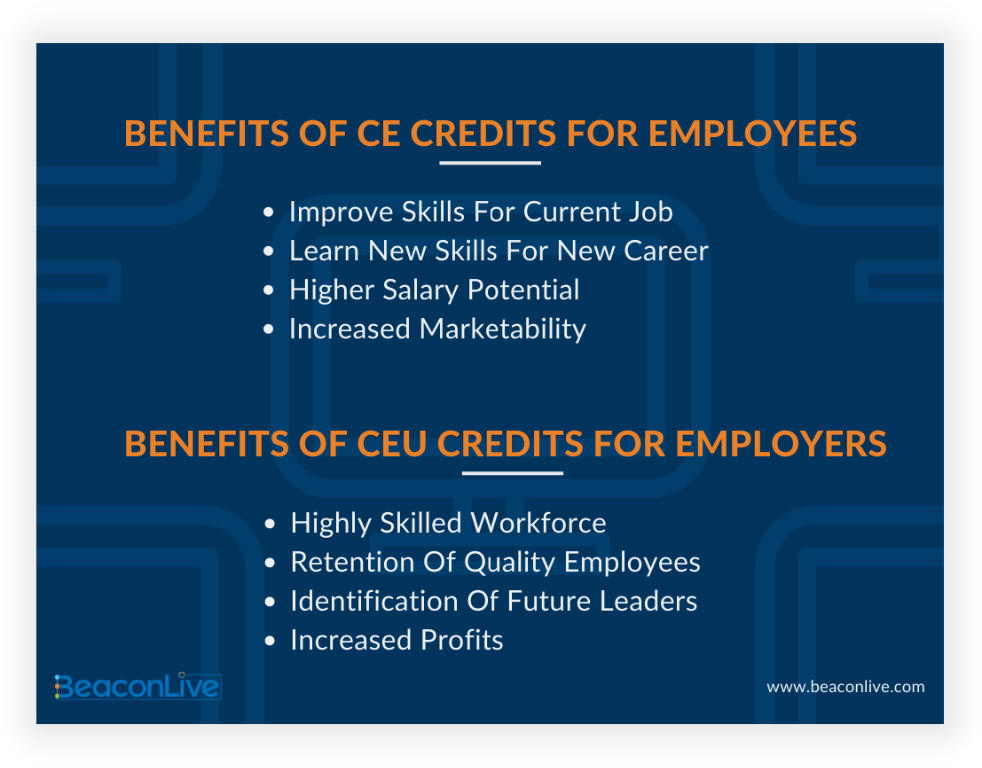
10 Tips To Offer Continuing Education Credits To Your Workforce
.jpg)
What is the CE Certification and why it is important for organizations

CE Courses for CDM, CFPP Credentials University of North Dakota

CE Courses ANX Home Healthcare and Hospice Care

CE COURSE OUTLINE

CE COURSE OUTLINE
What are the requirements for proof of CE completion? PTCB (Pharmacy

Business Concept Meaning Continuing Education Courses with Inscription
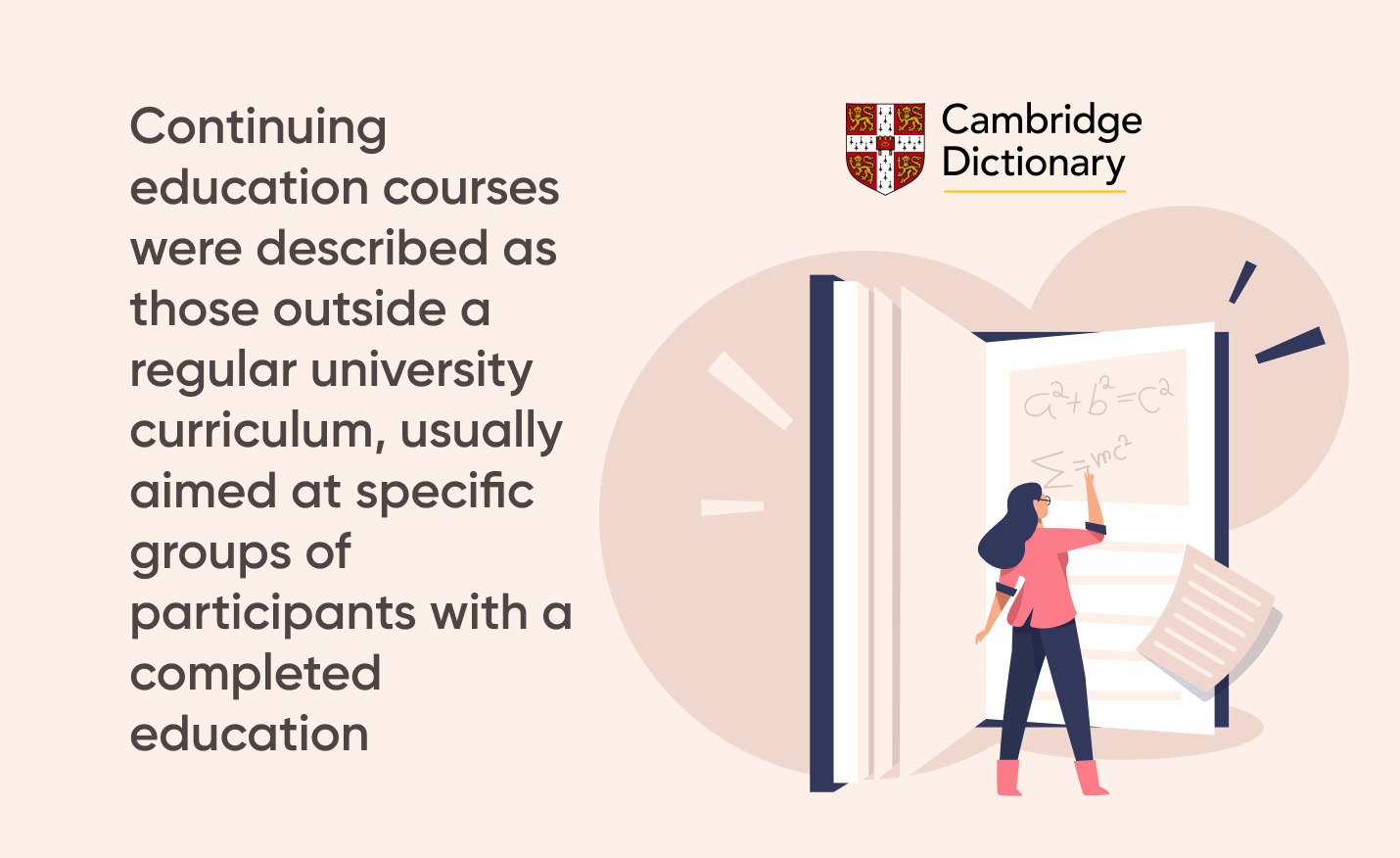
What Is Continuous Education? Definition and Benefits
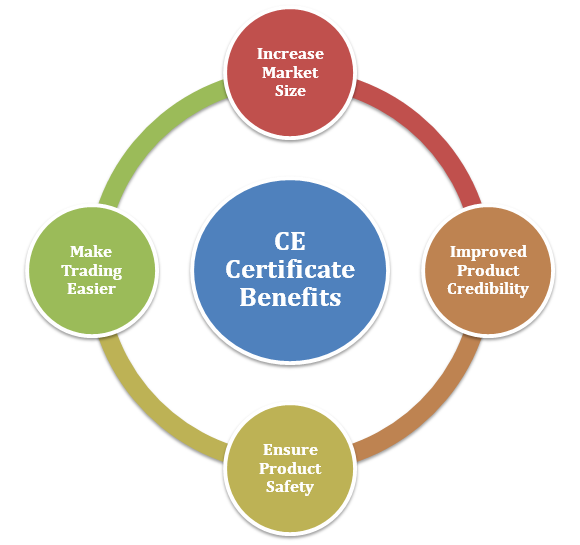
What are the Top Benefits of CE Certification
The Term Is Used Mainly In The United States And Canada.
In Healthcare, The Terms Continuing Education Units (Ceus) And Continuing Education (Ce) Are Often Used Interchangeably, But They Have Distinct Meanings.
Most State Nursing Boards List Continuing Education Requirements In Contact Hours, Not Ceus.
These Programs Help Foster A Lifelong Learning Mentality, Where Education Extends Beyond The Conventional Education Years.
Related Post: