
Binder Course Asphalt
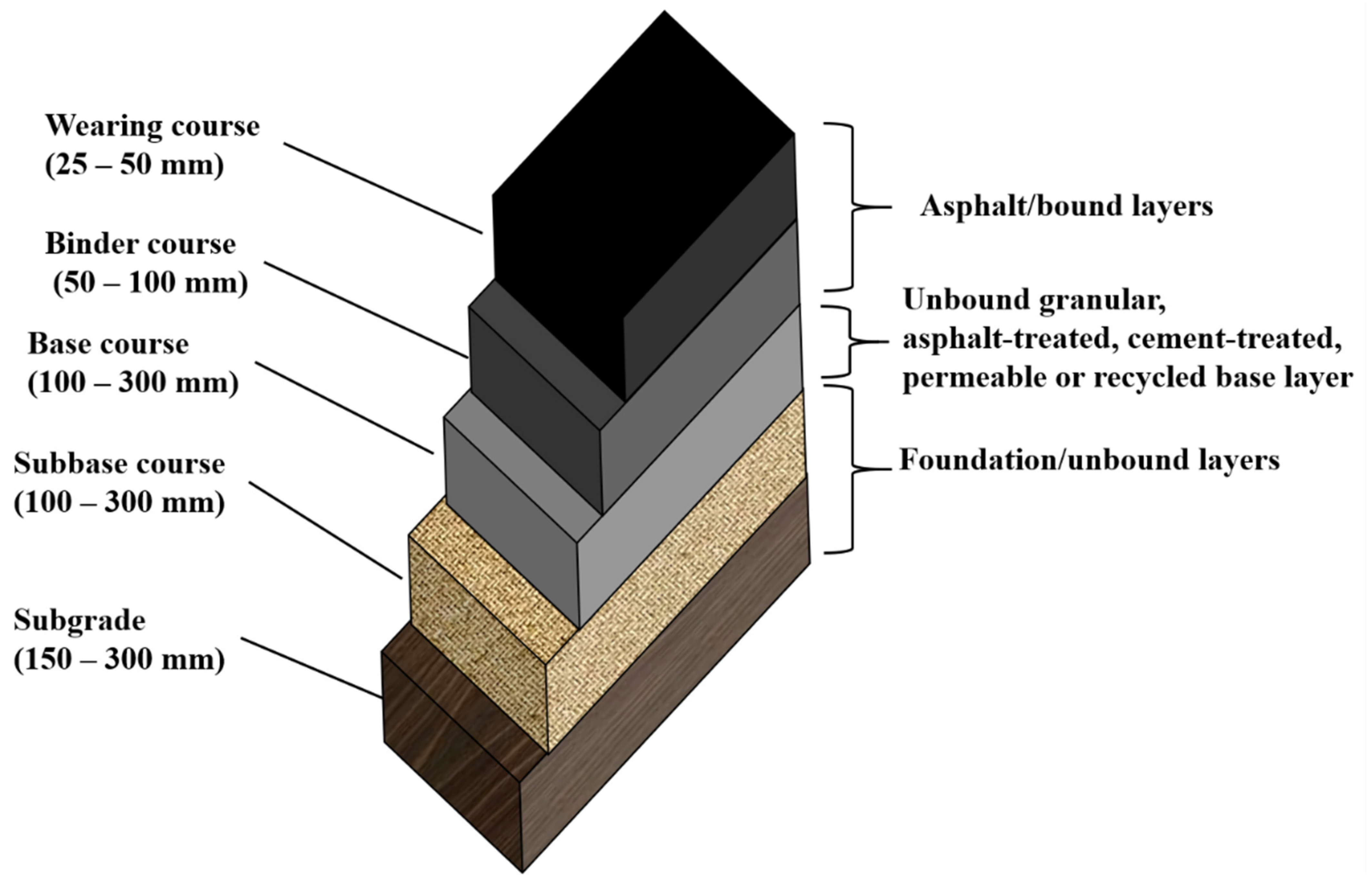
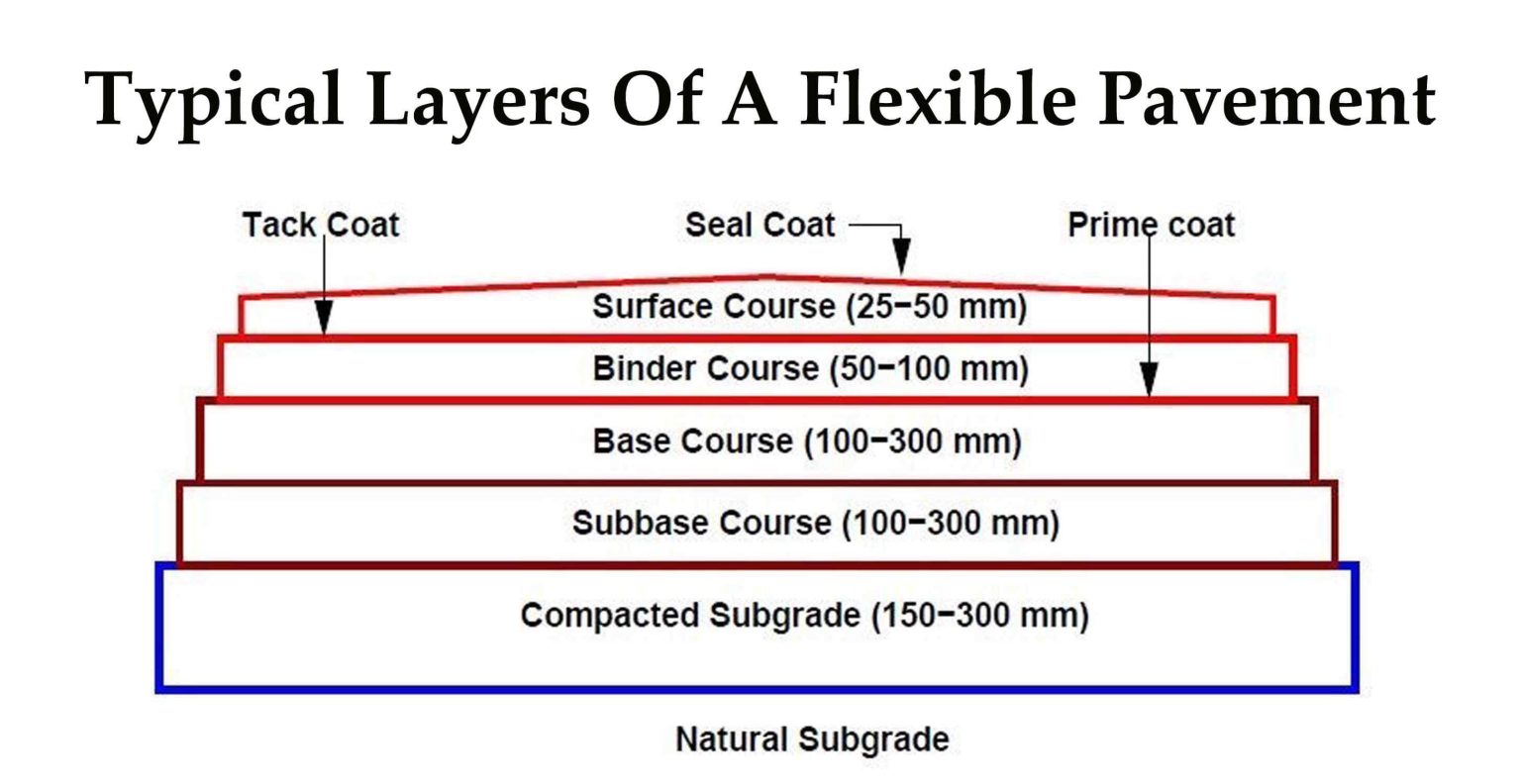
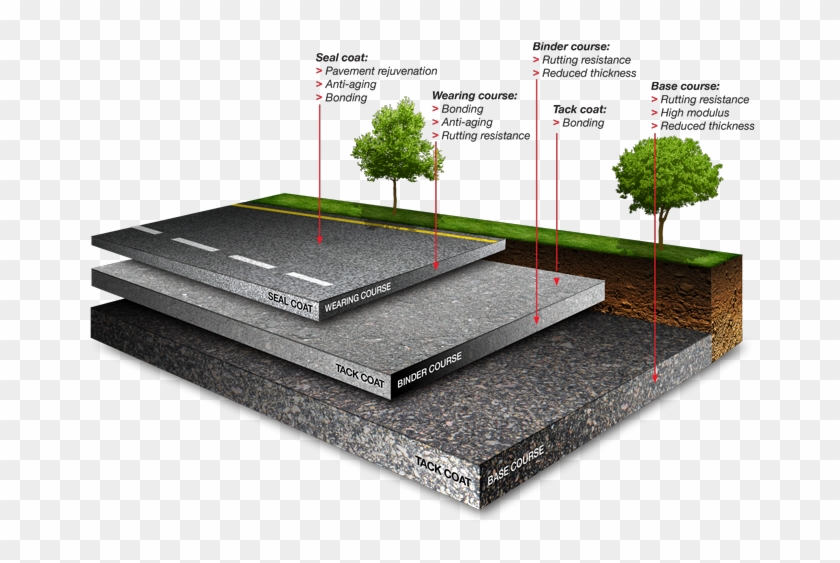
Binder Course Asphalt - If you are responsible for asphalt testing, materials approval, specification and quality control, this course is for you. The wearing course (top) and binder course (bottom). The composition and structure of flexible pavement consists of surface course, binder course, base course, subbase course, frost protection course, subgrade. Depending on the specified use the percentages and sizes of aggregate vary. Flexible pavements contain bitumen or asphalt layer as wearing course and supports loads through bearing. Binder (also known as basecoat) and topcoat are types of asphalt paving material, made from hot asphalt cement and aggregate. Binder and surface course once the sub base is laid and any soft areas are identified and repaired, it is time to add the binder. What is asphalt binder (asphalt cement)? Also referred to as “liquid asphalt,” “asphalt cement,” or “bitumen,” asphalt binder is the glue that holds aggregates together in a pavement. The layer immediately beneath the surface course. Made from fine aggregates and asphalt binder , it provides a smooth and durable finish, offers skid resistance for safety, and acts as a protective shield for the underlying layers. Flexible pavements contain bitumen or asphalt layer as wearing course and supports loads through bearing. It provides additional load distribution and contributes to drainage. In summary, the binder course asphalt acts as a foundation layer, providing strength and stability to the road, while the topcoat of asphalt serves as the final wearing surface, offering a smooth ride and protecting the underlying layers. Open graded asphalt is a kind of pavement that’s made with a special top layer to help cars not slip, let rainwater run off better, and last longer. The binder layer is large aggregate mixed with oil, making it very strong and durable. The wearing course (top) and binder course (bottom). Work shall be according to sections 406 and 1030 of the standard specifications, except as modified herein. It is located under the surface layer consisting of the wearing course and sometimes an extra binder course. Binder courses are essential in constructing durable road pavements, serving as an intermediary layer that ensures structural integrity. The base course or basecourse in pavements is a layer of material in an asphalt roadway, race track, riding arena, or sporting field. This top structural layer of material is sometimes subdivided into two layers: In summary, the binder course asphalt acts as a foundation layer, providing strength and stability to the road, while the topcoat of asphalt serves as. Also referred to as “liquid asphalt,” “asphalt cement,” or “bitumen,” asphalt binder is the glue that holds aggregates together in a pavement. Made from fine aggregates and asphalt binder , it provides a smooth and durable finish, offers skid resistance for safety, and acts as a protective shield for the underlying layers. Work shall be according to sections 406 and. Work shall be according to sections 406 and 1030 of the standard specifications, except as modified herein. The wearing course (top) and binder course (bottom). Depending on the specified use the percentages and sizes of aggregate vary. In summary, the binder course asphalt acts as a foundation layer, providing strength and stability to the road, while the topcoat of asphalt. It’s chosen for building roads because it makes driving smoother and safer. The hot mix asphalt binder provides the necessary structural support and flexibility, while. It provides additional load distribution and contributes to drainage. In summary, the binder course asphalt acts as a foundation layer, providing strength and stability to the road, while the topcoat of asphalt serves as the. The wearing course (top) and binder course (bottom). If you are responsible for asphalt testing, materials approval, specification and quality control, this course is for you. The binder layer is large aggregate mixed with oil, making it very strong and durable. In summary, the binder course asphalt acts as a foundation layer, providing strength and stability to the road, while. It provides additional load distribution and contributes to drainage. Made from fine aggregates and asphalt binder , it provides a smooth and durable finish, offers skid resistance for safety, and acts as a protective shield for the underlying layers. The base course or basecourse in pavements is a layer of material in an asphalt roadway, race track, riding arena, or. The binder layer is large aggregate mixed with oil, making it very strong and durable. Surface courses are most often constructed out of hma. The northeast transportation training and certification program (nettcp) and the asphalt institute national binder technician certification (nbtc) programs share the same text, lecture and examinations and are fully reciprocal. A copy of the relevant astm standard. The asphalt binder makes up about 5 percent of the typical asphalt pavement. The layer immediately beneath the surface course. Surface courses are most often constructed out of hma. The northeast transportation training and certification program (nettcp) and the asphalt institute national binder technician certification (nbtc) programs share the same text, lecture and examinations and are fully reciprocal. Also referred. Work shall be according to sections 406 and 1030 of the standard specifications, except as modified herein. The hot mix asphalt binder provides the necessary structural support and flexibility, while. The composition and structure of flexible pavement consists of surface course, binder course, base course, subbase course, frost protection course, subgrade. Open graded asphalt is a kind of pavement that’s. The material used as a binder course is 'chunkier' than a wearing course, usually comprising 20mm or 28mm aggregate in a bitumen binder, known as dense bitumen macadam (dbm). The binder layer is large aggregate mixed with oil, making it very strong and durable. Surface courses are most often constructed out of hma. Open graded asphalt is a kind of. The material used as a binder course is 'chunkier' than a wearing course, usually comprising 20mm or 28mm aggregate in a bitumen binder, known as dense bitumen macadam (dbm). The base course or basecourse in pavements is a layer of material in an asphalt roadway, race track, riding arena, or sporting field. In the comparison of asphalt binder vs top coat, it's clear that asphalt layers both play integral roles in the health and longevity of asphalt pavements. Depending on the specified use the percentages and sizes of aggregate vary. The composition and structure of flexible pavement consists of surface course, binder course, base course, subbase course, frost protection course, subgrade. It’s chosen for building roads because it makes driving smoother and safer. It is located under the surface layer consisting of the wearing course and sometimes an extra binder course. Also referred to as “liquid asphalt,” “asphalt cement,” or “bitumen,” asphalt binder is the glue that holds aggregates together in a pavement. Binder courses are essential in constructing durable road pavements, serving as an intermediary layer that ensures structural integrity. Because the binder must be strong, it typically contains aggregates that are approximately 0.75 inch in size. The binder course is therefore placed between the surface course and base course to reduce rutting by combining qualities of stability and durability. Key highlights binder course asphalt. Proper compaction and asphalt content are critical for durable wearing course performance. In summary, the binder course asphalt acts as a foundation layer, providing strength and stability to the road, while the topcoat of asphalt serves as the final wearing surface, offering a smooth ride and protecting the underlying layers. The asphalt binder makes up about 5 percent of the typical asphalt pavement. The binder layer is large aggregate mixed with oil, making it very strong and durable.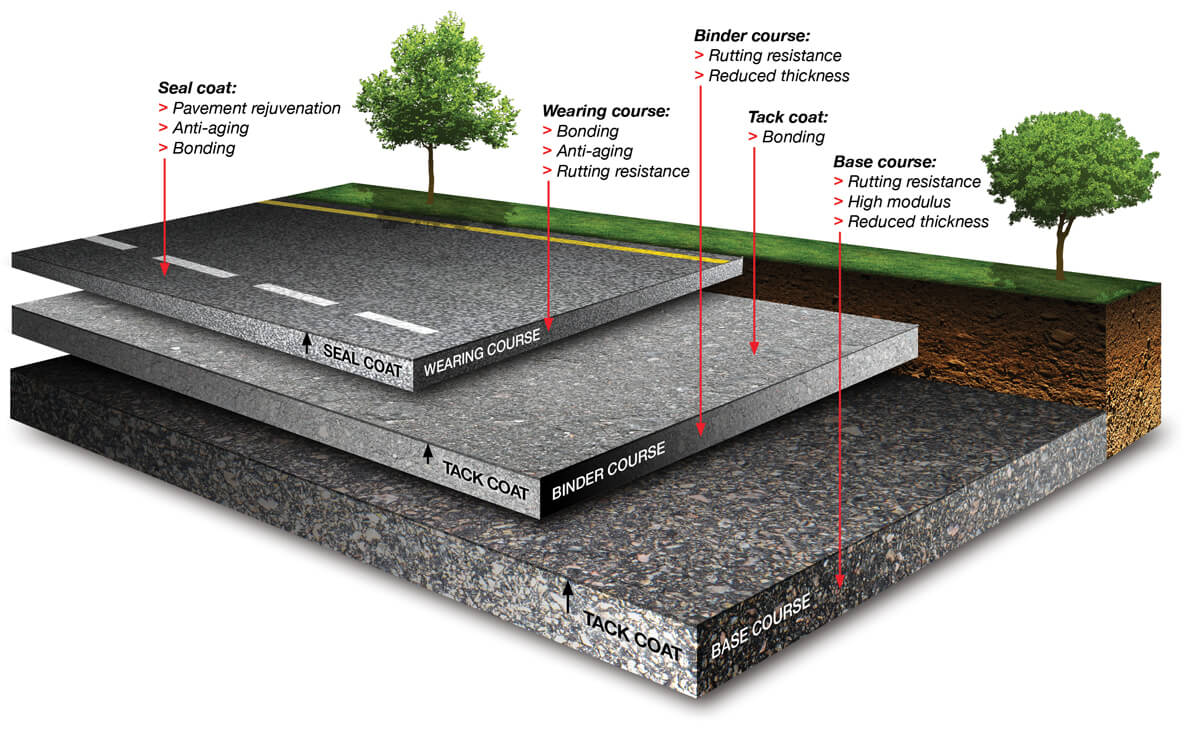
Asphalt American Gilsonite Company
Application of RAP in Asphalt Concrete Pavements Encyclopedia MDPI

asphaltic concrete binder course Brian Solomon
Typical Layers Of A Flexible Pavement Engineering Discoveries

Asphaltic Concrete Wearing Course LukeknoeWeeks
Asphaltic Concrete Wearing Course Flexible Pavements Consists Of

Flexible Pavements Upper Layer Image & Photo Bigstock
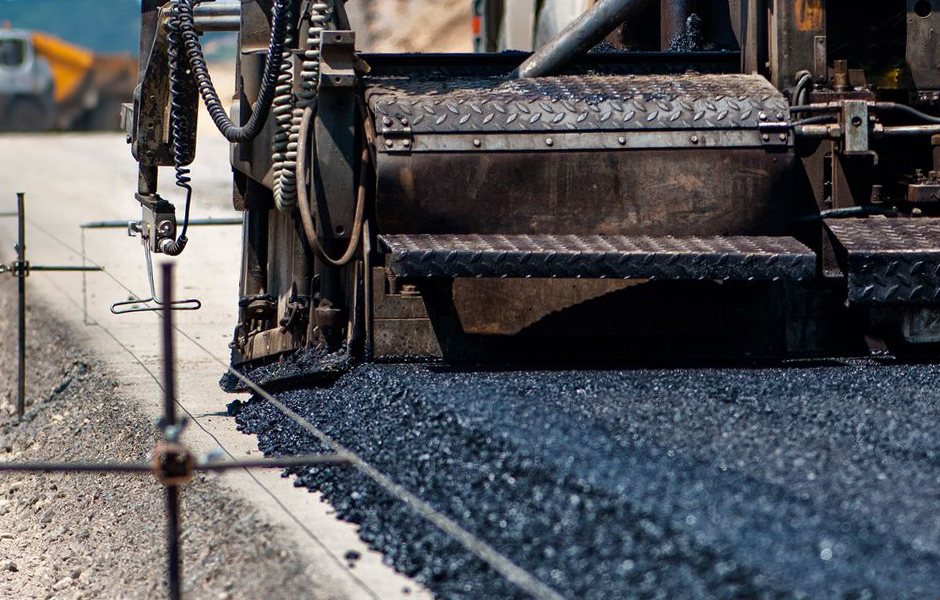
Asphalt Products Newlay Asphalt
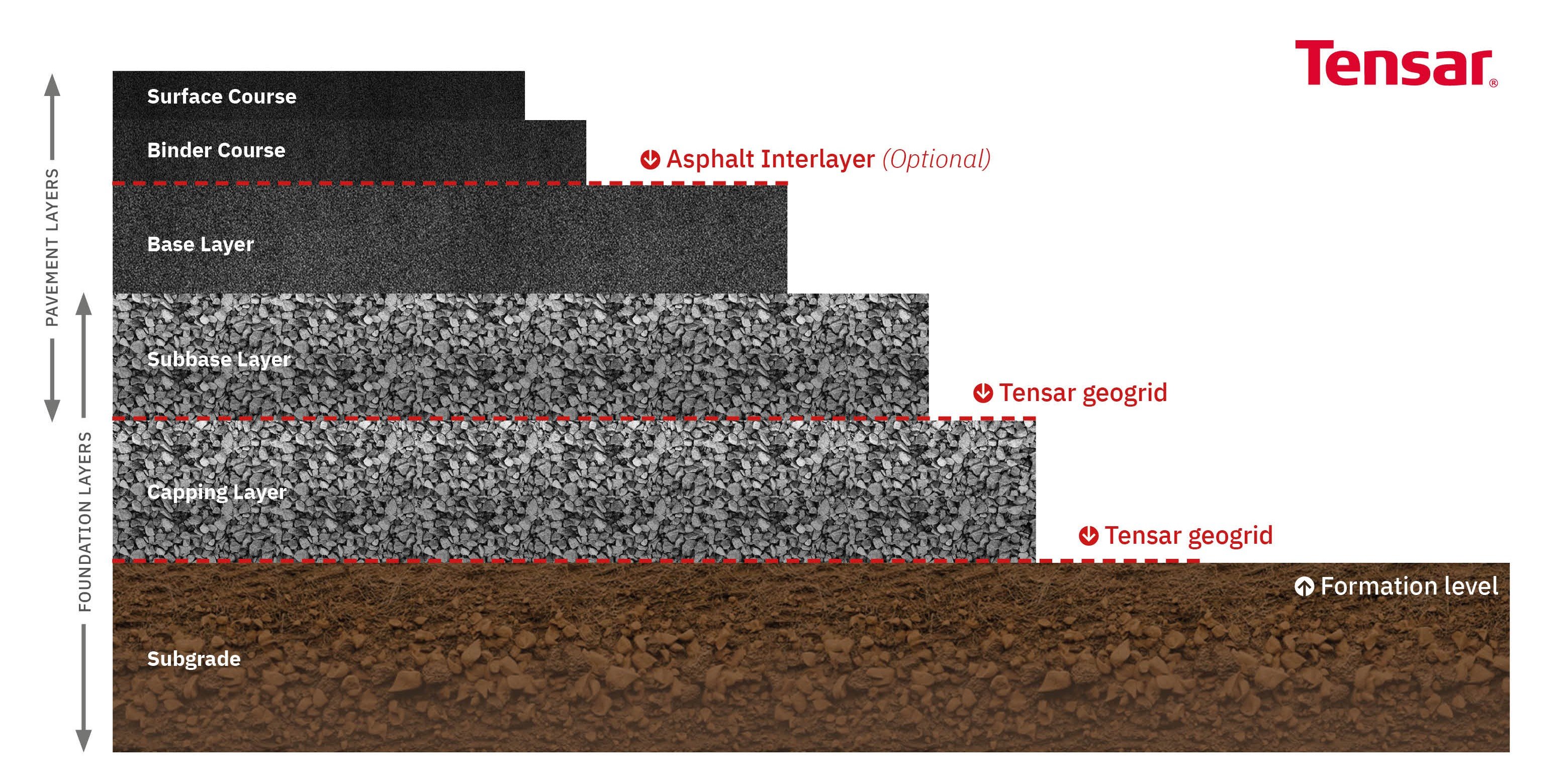
What are the functions of layers in a flexible pavement?
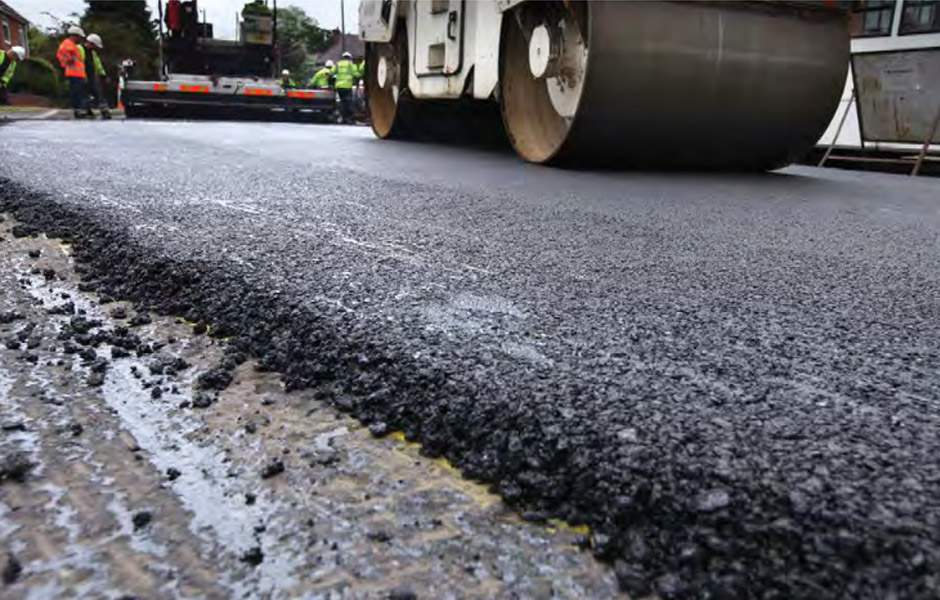
Limestone Surface Course Newlay Asphalt
Each Course In This Program Contains:
The Surface Course Is The Uppermost Layer Of Asphalt, Specifically Designed To Withstand All The Wear And Tear From Traffic And Weather.
The Wearing Course (Top) And Binder Course (Bottom).
The Hot Mix Asphalt Binder Provides The Necessary Structural Support And Flexibility, While.
Related Post: